Soft Sourdough Milk Brioche Rolls: 7 Ingredients
Ever thought about baking something a bit special for dinner? How about whipping up some Sourdough Milk Brioche Rolls? These dinner rolls are a perfect example of enriched dough, combining the tangy kick of sourdough with the rich, buttery softness of brioche. Whether you’re just starting out or you’ve got some serious baking chops, you’re going to have a blast making these fluffy delights. Let’s roll up our sleeves, dive into the recipe, and fill your home with the smell of freshly baked rolls!
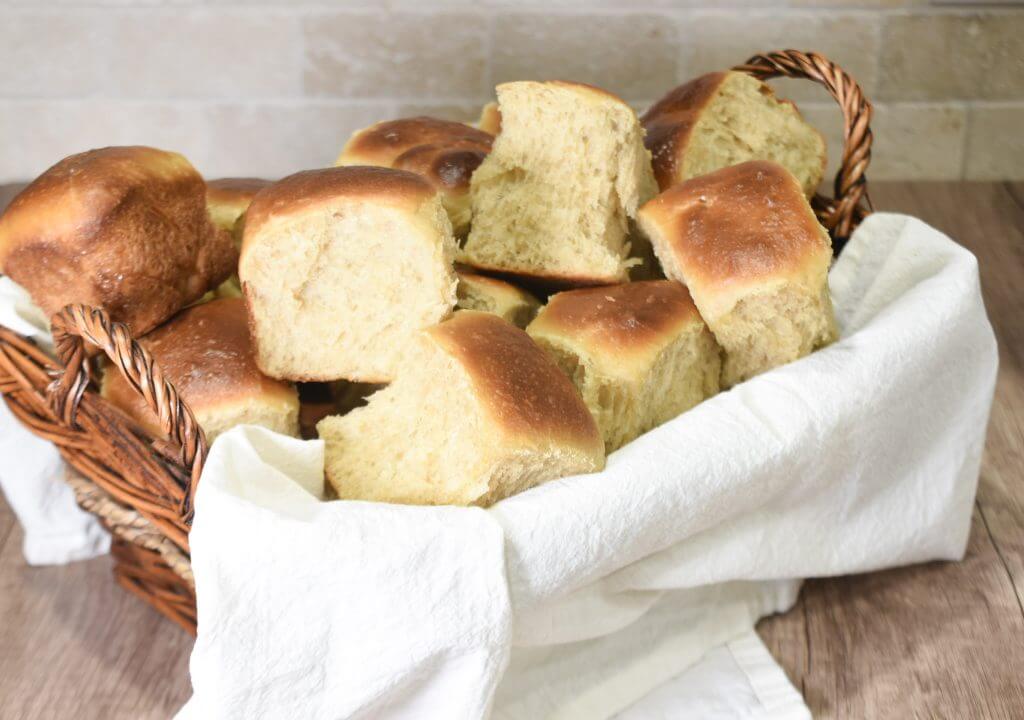
Now, I have to warn you, once you get a whiff of these babies baking in the oven, resistance is useless! They’ll tempt you with their fluffy charm and buttery aroma until you’re practically drooling. And trust me, I speak from experience. My kids, who usually can’t agree on anything besides the fact that bedtime is a form of torture, are united in their love for these rolls. It’s like a mini-miracle unfolding in my kitchen every time I bake them.
But here’s the kicker: as amazing as these rolls are fresh out of the oven, they’re also the secret weapon in my dessert arsenal. Yep, you heard that right. Sourdough milk brioche rolls aren’t just for dinner; they’re the VIPs of my bread pudding game. Who would’ve thought that something so fluffy and rich could double as the star ingredient in a decadent dessert?
How to Achieve Super Soft Milk Brioche Rolls
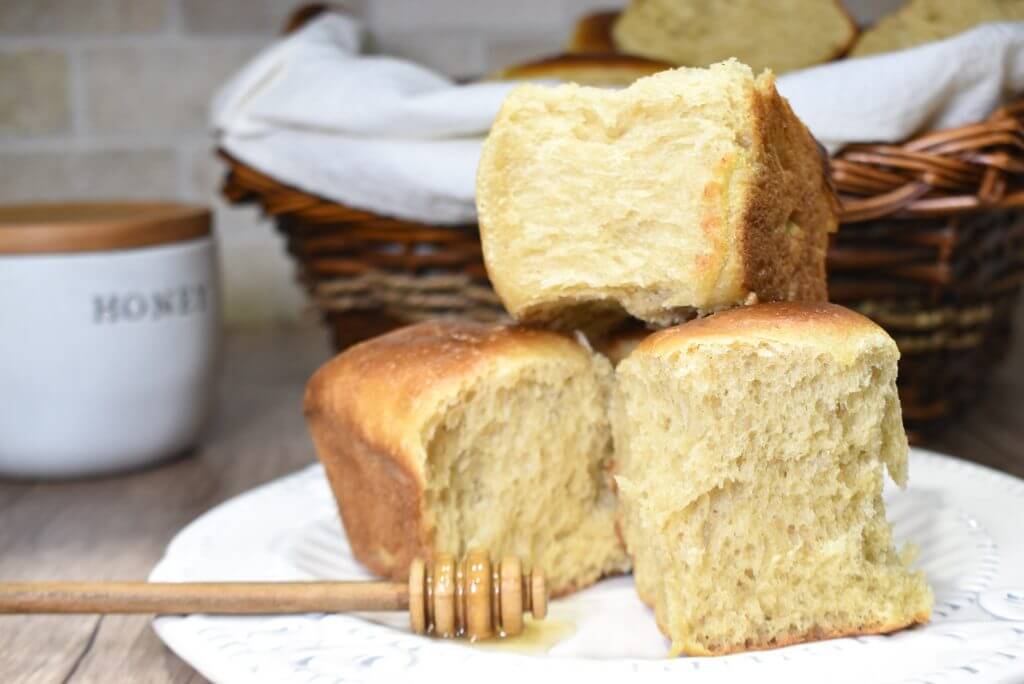
Now that you have the ultimate plan to impress your family and maybe transform your leftover rolls into a delightful dessert, let’s get down to business. How can we ensure that these Sourdough Milk Brioche Rolls turn out as soft and heavenly as they sound? Don’t worry, my fellow baking enthusiast, I have the tips and tricks that will take your brioche rolls from good to ‘Where have you been all my life?’ status.
First things first, let’s talk about ingredients and techniques. The secret to ultra-soft, fluffy brioche rolls starts with the right balance of richness and tenderness. Here’s what you need to focus on:
1. Quality Ingredients: Use high-quality flour, unsalted butter, fresh eggs, and full-fat milk. These ingredients not only contribute to the richness but also add to the tender crumb of the rolls.
2. Sourdough Starter: Make sure your sourdough starter is active and bubbly. This not only helps the dough rise but also imparts a subtle tang that complements the sweet, buttery flavor of brioche.
3. Dough Hydration: Brioche is a high-hydration dough, meaning it contains a generous amount of eggs and butter. Don’t skimp here; the moisture is essential for achieving that dreamy, tender texture.
4. Gentle Mixing: When combining your ingredients, start slow. Mix your dough gently until the ingredients are incorporated and the dough becomes glossy. Overmixing can lead to gluten development that might make your rolls chewy instead of soft.
5. Proper Proofing: Allow the dough to proof slowly, giving it time to develop flavors and textures. A slow rise in a cool environment can enhance the depth of flavors in your sourdough brioche.
6. Baking Temperature: Bake your rolls at the right temperature.
7. Brush with Love: Before popping them in the oven, brush the tops with a mixture of egg wash and a splash of milk (or water). This not only gives them a gorgeous golden sheen but also keeps the crust soft.
Focusing on these key elements will set you up for success. Remember, the magic of baking lies in the details. So take your time, enjoy the process, and get ready to pull some of the softest, most irresistible milk brioche rolls out of your oven. Your family—and maybe even your neighbors—will thank you!
Ingredients for Brioche Dinner Rolls
Flour (High-Protein or Bread Flour)
Flour provides the structure for soft brioche dinner rolls. The gluten in flour helps the dough stretch and trap the gases released by the yeast and sourdough starter, leading to a fluffy texture. A higher-protein bread flour is often preferred for brioche to support the rich, heavy ingredients. I use high-protein flour (14%) for brioche bread and other bread recipes.
Milk (Whole Milk)
Milk makes the dough softer compared to water, adds richness, and helps create a finer crumb. The sugars and fats in milk also make the crust brown better and more flavorful.
Granulated Sugar
Sugar is not just a sweetener; it also tenderizes the dough by absorbing some of the water and slowing down gluten formation. This results in a softer, more tender dough. Sugar also aids in browning and provides food for the yeast, helping the dough rise.
Unsalted Butter
Butter adds flavor, richness, and tenderizes the dough by shortening gluten strands. The fat from the butter coats the flour proteins, which prevents them from binding too tightly with water and becoming tough. This results in a softer, more delicate crumb.
Eggs
Eggs enrich the dough, contributing to its rich flavor and tender crumb. They also add moisture and fat, which help make the texture softer and finer. The lecithin in egg yolks acts as an emulsifier, improving the dough’s texture by helping to evenly distribute fat and liquids.
When added as an egg wash, it gives the dinner rolls that nice golden brown crust.
Salt
Salt strengthens the gluten structure, tightening the gluten strands and making them more uniform. This results in a dough that is strong enough to hold the gases produced during fermentation, leading to a well-risen roll. It also enhances the flavor of the other ingredients.
Sourdough Starter
The sourdough starter is super important because it not only helps the dough rise, but it also adds a delicious depth of flavor that you just can’t get from regular yeast. It also gives the dough a bit of tanginess, which helps make the texture better and the gluten network stronger.
Tools Needed For Making Brioche Dinner Rolls
Disclaimer: As an Amazon Associate, I earn from qualifying purchases.
Stand mixer with dough hook attachment
Glass bowl
Scale or measuring cups and spoons
Dough scraper
Pastry brush
Kitchen thermometer (optional but very convenient)
How to Make Milk Brioche Rolls
Make the Dough
Mix warm milk, active sourdough starter, eggs, sugar, and salt in the bowl of a stand mixer using the dough hook attachment. Mix until the starter dissolves fully in the milk mixture. Add softened butter. Mix on slow speed. Slowly add bread flour to the wet ingredients and continue mixing on low until the dough starts to form.
Increase the mixer’s speed by a notch or two. This will depend on the type of mixer you have. I have an Artisan KitchenAid Mixer and I increase the speed to 2. Mix for about 4-6 minutes until the brioche dough becomes glossy.
One thing to keep in mind is that brioche dough is a high-hydration dough, and it will look wet and without shape. The dough will come together later once the dough rises and is refrigerated.
Bulk Fermentation
Using a dough scraper or a spatula, transfer the kneaded dough to a lightly greased bowl. Cover the bowl with plastic wrap or a damp kitchen towel and let it sit at room temperature until it has doubled in size. Depending on your kitchen’s temperature, this could take anywhere from 6 to 8 hours.
Once doubled in size, transfer the bowl to the refrigerator. I let my dough sit in the refrigerator overnight. You can opt to refrigerate for an hour or two until the dough is cold and easy to manage. Refrigeration is a very important step when working with brioche dough, as it will stick to everything!
Shape
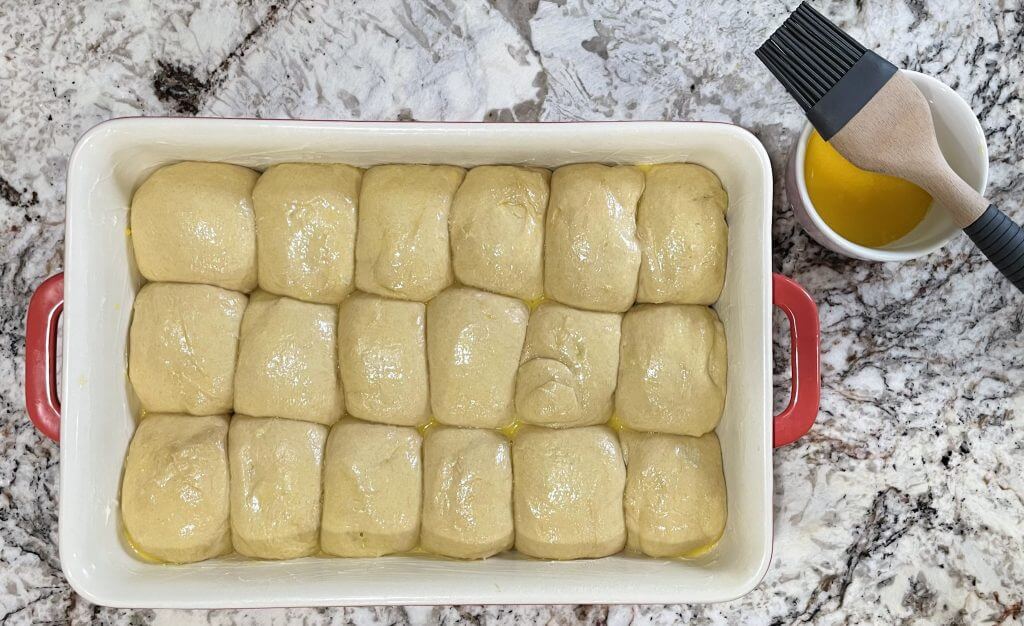
Generously butter a 9in x 13in baking pan. Take the dough out of the refrigerator and flour your working surface. Using a scale, divide the dough into 18 equal pieces. Roll them into tight dough balls and place them in the buttered baking pan. You will make 3 rows of 6 dough balls.
Final Proof
Cover the milk brioche rolls with a kitchen towel and let them sit in a warm place for about 4-6 hours. You will know if they are ready to bake when they are airy and puffy and almost doubled in size. If you slightly press the dough, it will leave an indentation instead of bouncing back.
Bake
Preheat your oven to 425°F (218°C).
Prepare the egg wash by mixing one egg with one tablespoon of water. Using a pastry brush, brush the egg wash over your sourdough brioche dinner rolls.
Transfer the dish to the oven and bake for 30-35 minutes or until the internal temperature reads 190°F (88°C).
Cool
Cool completely before serving, and enjoy!
Do you love this recipe? Try these!
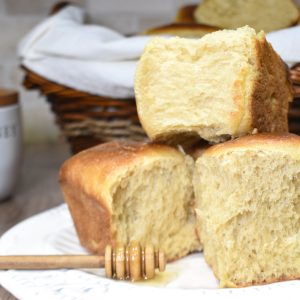
Milk Brioche Rolls
Equipment
- Stand mixer with dough hook attachment
- Glass bowl
- Scale or measuring cups and spoons
- 9in x 13in baking pan
- Dough scraper
- Pastry brush
- Kitchen thermometer (optional but very convenient)
Ingredients
- 125 g milk 1/2 cup
- 200 g sourdough starter 1 cup, active and bubbly
- 256 g Eggs 5 eggs
- 72 g granulated sugar 1/4 cup plus 1 tablespoon
- 226 g unsalted butter 1 cup, softened
- 12 g salt 1 3/4 tsp
- 480 g high-protein bread flour 4 cups
Eggwash
- 50 g eggs 1 egg
- 15 g water 1 tablespoon
Instructions
To make the dough:
- Mix warm milk, active sourdough starter, eggs, sugar, and salt in the bowl of a stand mixer using the dough hook attachment. Mix until the starter dissolves fully in the milk mixture.125 g milk, 200 g sourdough starter, 256 g Eggs, 72 g granulated sugar, 12 g salt
- Add softened butter. Mix on slow speed. Slowly add bread flour to the wet ingredients and continue mixing on low until the dough starts to form.226 g unsalted butter, 480 g high-protein bread flour
- Increase the mixer's speed by a notch or two. Mix for about 4-6 minutes until the brioche dough becomes glossy.
First rise:
- Using a dough scraper or a spatula, transfer the kneaded dough to a lightly greased bowl. Cover the bowl with plastic wrap or a damp kitchen towel and let it sit at room temperature until it has doubled in size. Depending on your kitchen's temperature, this could take anywhere from 6 to 8 hours.
- Once doubled in size, transfer the bowl to the refrigerator. You can refrigerate overnight or for 1-2 hours until the dough is cold and manageable.
Second rise:
- Generously butter a 9in x 13in baking pan. Take the dough out of the refrigerator and flour your working surface.
- Using a scale, divide the dough into 18 equal pieces. Roll them into tight dough balls and place them in the buttered baking pan. You will make 3 rows of 6 dough balls.
- Cover the milk brioche rolls with a kitchen towel and let them sit in a warm place for about 4-6 hours. You will know if they are ready to bake when they are airy and puffy and almost doubled in size.
Bake:
- Preheat the oven to 425°F (218°C).
- Mix one egg with milk or water and brush the dough with the egg wash using a pastry brush.50 g eggs, 15 g water
- Bake for 30 to 35 minutes or until the internal temperature reads 190°F (87°C).
Notes
- You might feel tempted to add more flour, but this will decrease the hydration of your dough and give the milk brioche rolls a dense texture.
- Do not let it overproof! Overproofing your brioche dough will lead to a dense texture and a dough that will deflate during baking.
- I use 14% high-protein flour. You might need to decrease hydration depending on the flour you use.
Tips for making perfect milk brioche rolls without yeast

1. Optimal Milk Temperature: Make sure the milk is warm, ideally between 105°F and 115°F (40°C-46°C). This temperature range helps activate the sourdough starter without killing it, promoting better fermentation.
2. Active Sourdough Starter: Your sourdough starter should be at its peak activity. Feed it a few hours before you plan to start your recipe to ensure it’s bubbly and active. This will help the dough rise effectively in the absence of commercial yeast.
3. Gradual Addition of Ingredients: When mixing, add the butter in small pieces to the dough mixture to ensure it incorporates smoothly without causing the dough to separate. This helps in achieving a uniform texture in the dough.
4. Slow Incorporation of Flour: Add the bread flour gradually to prevent clumping and ensure even hydration throughout the dough. This is crucial for a smooth, consistent texture in your brioche rolls.
5. Thorough Mixing: Kneading the dough until it’s glossy and smooth is key.
6. Refrigeration: Chilling the dough is vital, as it makes the buttery dough easier to handle and shape. Moreover, it helps in flavor development. The longer the dough rests, the more complex flavors will develop.
7. Uniformity in Shaping: When dividing the dough, use a scale for consistency in size. Uniform rolls will bake evenly and present beautifully.
8. Proofing Environment: Ensure your proofing environment is warm and draft-free. A consistent temperature around 75°F (24°C) is ideal. If your kitchen is cooler, consider using an oven (turned off) with the light on or a proofing box to create a warm environment.
9. Baking Preparation: Preheat your oven before you start the final proofing. An adequately preheated oven is crucial for a good oven spring and to set the crust quickly, preventing the rolls from collapsing.
10. Watch the Bake: Since every oven is different, start checking the rolls a few minutes before the suggested baking time ends. Look for a deep golden-brown crust and an internal temperature of 190°F (88°C) to ensure they are fully baked.
11. Cooling: Allow the brioche rolls to cool in the pan for about 10 minutes, then transfer them to a wire rack. Cooling helps the structure set and prevents the bottom from becoming soggy.