

Sourdough Milk Brioche Recipe – Rich and Tender!
This fantastic milk brioche recipe has a rich flavor, tender crumb, and a beautiful golden brown crust. It is made with eggs, milk, sugar, and butter, which gives the brioche bread its soft crumb and delicate texture. Adding sourdough to the dough takes it to another level, giving it a tangy twist to this classic bread recipe.
I love brioche bread! It is versatile and can be used independently, as part of a meal, or as a base for other recipes. My kids love it when I make bread pudding with brioche. It is also a favorite in French toast or as a snack. Or why not make dinner rolls or burger buns? Trust me, this milk brioche recipe is a winner!
What is brioche bread?
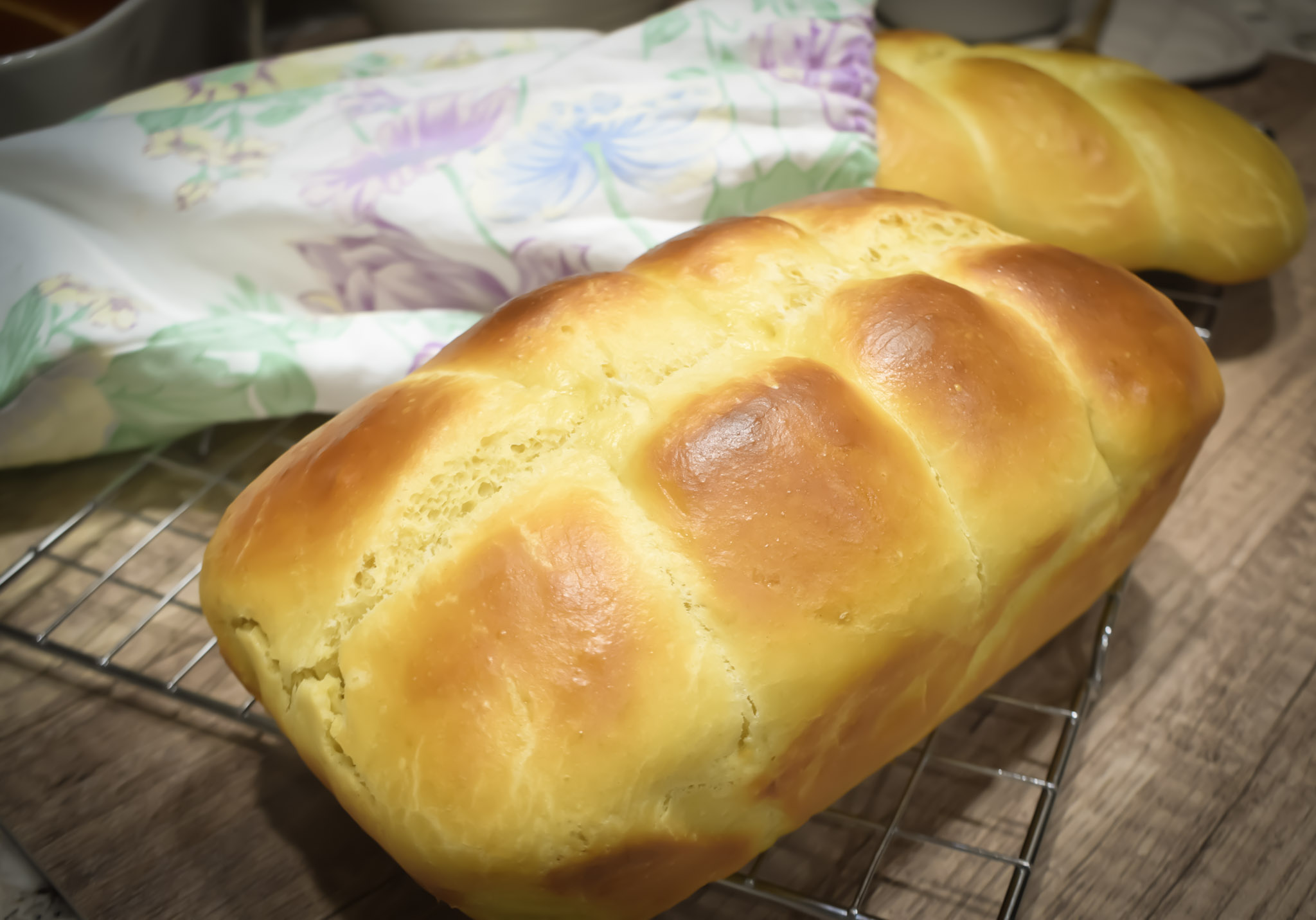
Brioche is a rich, soft bread originating from France, known for its high content of eggs and butter. This mixture gives it a tender crumb and a rich, buttery flavor, making it different from other breads. It’s versatile, used in both sweet and savory dishes, from sandwiches to French toast. Brioche can be shaped into loaves, buns, or intricate braids, making it as visually appealing as it is delicious. Despite its luxurious texture and taste, brioche follows a basic bread-making process, with the addition of extra fat contributing to its distinctive richness.
Tools Needed
Stand mixer (or your God-given hands)
Mixing bowls
Scale
Baking sheet or pan (depending on what shape you’re making, i.e. rolls, loaf, braid, etc.)
Dough scraper
Parchment paper (optional)
Pastry brush
Cooling rack
Kitchen thermometer (optional but very convenient)
Ingredients for Milk Brioche
Flour (High-Protein or Bread Flour)
Provides the structure through gluten development. High-protein flour is preferred for its ability to create a strong gluten network, resulting in a brioche with a fine crumb and tender texture. I have also used all-purpose flour for this recipe. The texture is very similar, especially when using a sourdough starter.
Milk (Whole Milk)
Adds moisture, fat, and sugar, contributing to the brioche’s tender crumb and slightly sweet flavor. I use whole milk for its fat content, which enriches the brioche dough.
Granulated Sugar
Sweetens the bread slightly and contributes to the golden crust by caramelizing it during baking. It also helps in retaining moisture, extending the bread’s shelf life.
Unsalted Butter
Adds richness and flavor, creating a tender and flaky texture. The fat from the butter coats the flour proteins, limiting gluten formation, which contributes to the brioche’s characteristic softness.
Eggs
Eggs provide structure, richness, and color to the dough. They contribute to the brioche’s rich flavor and golden color. They also add moisture and fats, enhancing the bread’s tender texture. I use eggs from our backyard that have a bright orange yolk. The brioche dough looks beautifully yellow!
Salt
Enhances flavor.
Sourdough Starter (for Sourdough Milk Brioche)
It adds a tangy flavor and improves the bread’s texture and shelf life. You can use instant or active dry yeast if you prefer, but I don’t use yeast in my recipes.
Optional Additions
Vanilla Extract or Zest (Lemon or Orange)
This is used in some recipes for additional flavor notes. I usually use vanilla extract if I plan on making sourdough bread pudding.
Egg Wash (Beaten Egg with Milk or Water)
This is applied to the surface before baking to give the brioche bread its shiny, golden-brown crust.
How to make brioche bread
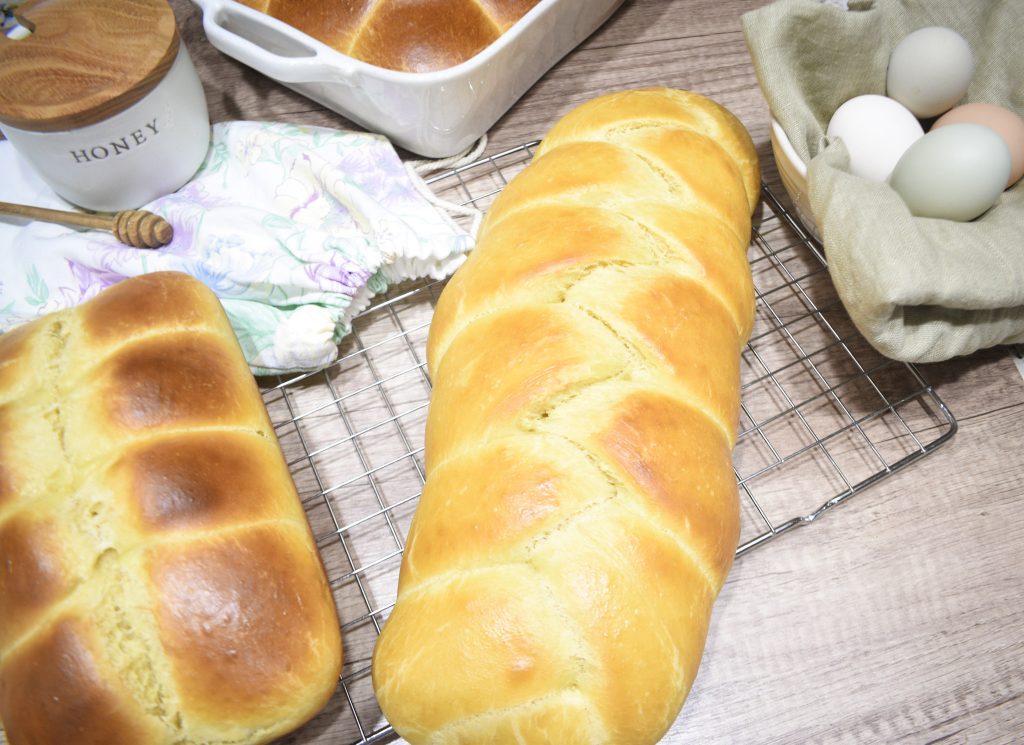
Mixing and Kneading
Mixing: Mix the milk and sourdough starter in the bowl of a stand mixer using the dough hook attachment. Then, add the eggs and vanilla (if using). Once combined, add softened butter, sugar, and salt. Continue mixing at low speed.
Kneading: Add the bread flour (or all-purpose flour) to your mixture with the mixer still on low speed. Keep kneading at a low speed for about 2 minutes. Your dough starts coming together at this point. It will look messy at the beginning, but keep at it! Change to medium speed and keep kneading for about 10 minutes.
Kneading helps develop the gluten, which gives the brioche its soft, tender texture. The goal is to achieve a smooth, elastic dough that’s sticky and shiny. You might feel tempted to add more flour, but this will decrease the hydration of your dough and give the brioche bread a dense texture. It will be sticky to handle!
Resting and Fermentation Times
First Rise: Using a spatula, gently scoop your dough into a glass or plastic bowl and cover it with plastic wrap or a damp towel. Move your bowl to a warm spot and let it rest for about 8 hours or until doubled in size. Now, it’s time for the dough (and you!) to chill out in the fridge. This long, cold fermentation (overnight is ideal) makes the dough easier to handle and shape later. Plus, it further enhances the flavor, giving the milk brioche bread that tangy and rich taste. The dough needs about 8 hours in the fridge. Just leave it and try to be patient (I know… It is hard!).
Second Rise: Take the dough from the refrigerator. You will notice that your brioche dough no longer sticks. Shape it using one of the techniques below. Once shaped, loosely cover it with a damp kitchen towel and let it rest in a warm place for about 8 more hours or until they are puffy and almost doubled in size. The resting time will depend on the temperature of your kitchen. You can also ferment it overnight in the fridge.
Do not let it overproof! Overproofing your brioche dough will lead to a dense texture and a dough that will deflate during baking.
Why the Wait Matters
The resting and fermentation times are crucial. Rushing these steps won’t give you the same depth of flavor or the perfect texture that makes brioche unique. So, even though it takes time, it’s totally worth it.
Shaping and Forming Milk Brioche Bread
Have fun and play around with the shapes and sizes. Here are some options for you:
Loaves: These are great for slicing. Shape the dough into a log and pop it into a loaf pan. Simple and classic.
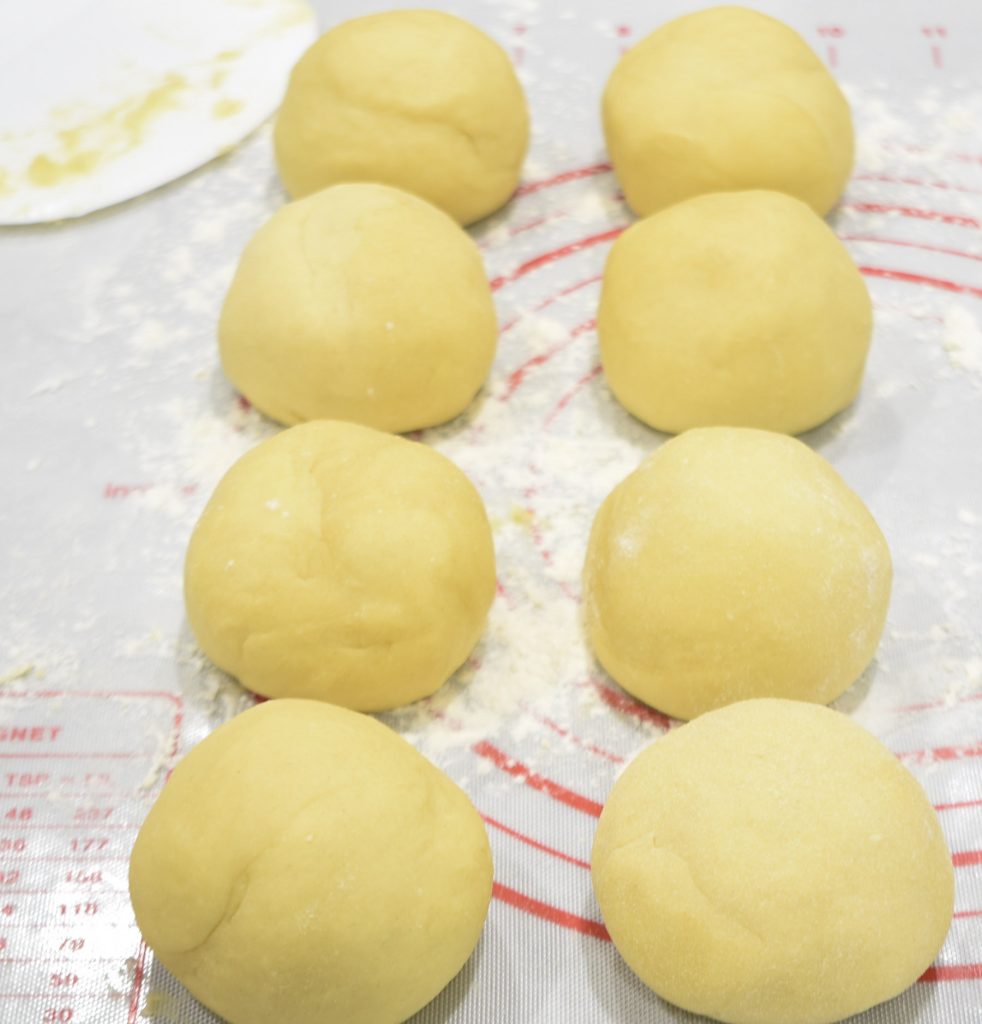
Buns: These are perfect for individual servings. Divide the dough into equal parts, roll them into smooth balls, and you have buns. They are ideal for sandwiches or burgers.
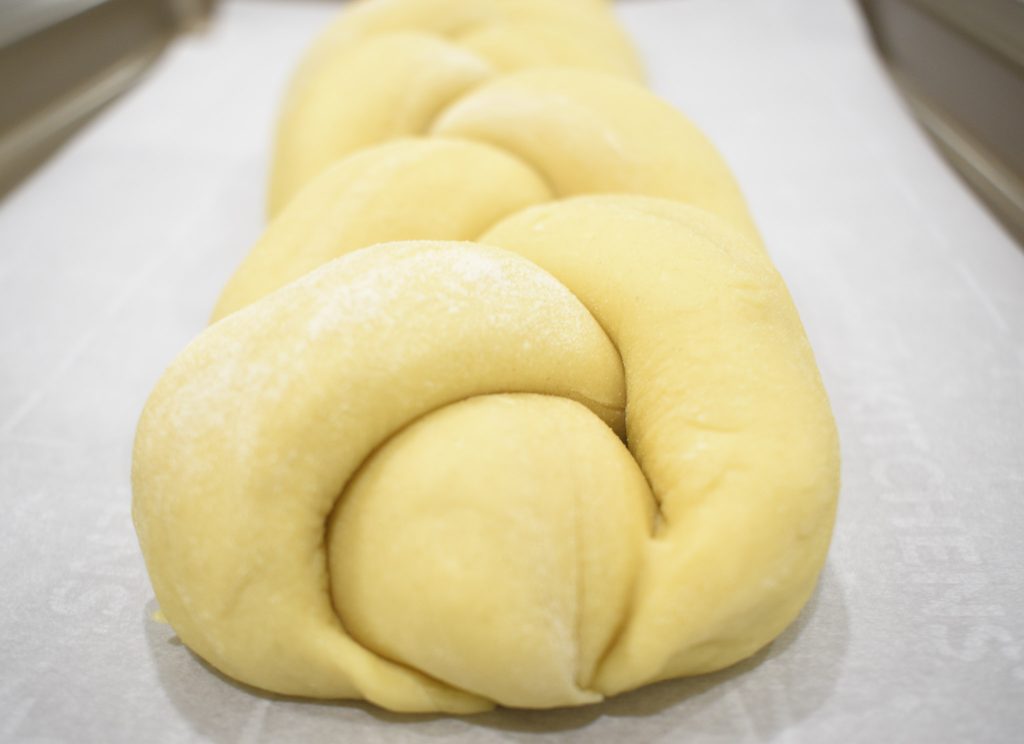
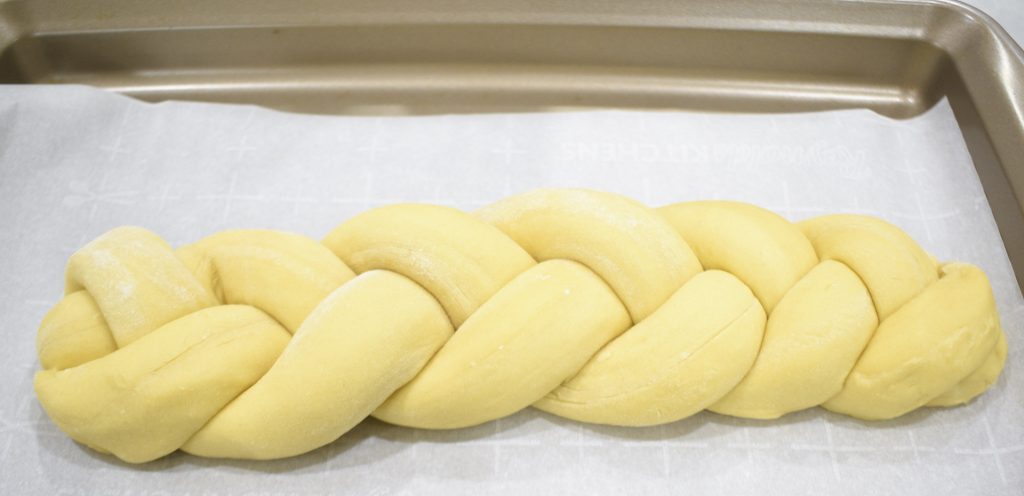
Braids: For when you want to get fancy. Divide the dough into strands, braid them together, and you’ve got a show-stopper. It looks complicated but isn’t tough with a bit of practice.
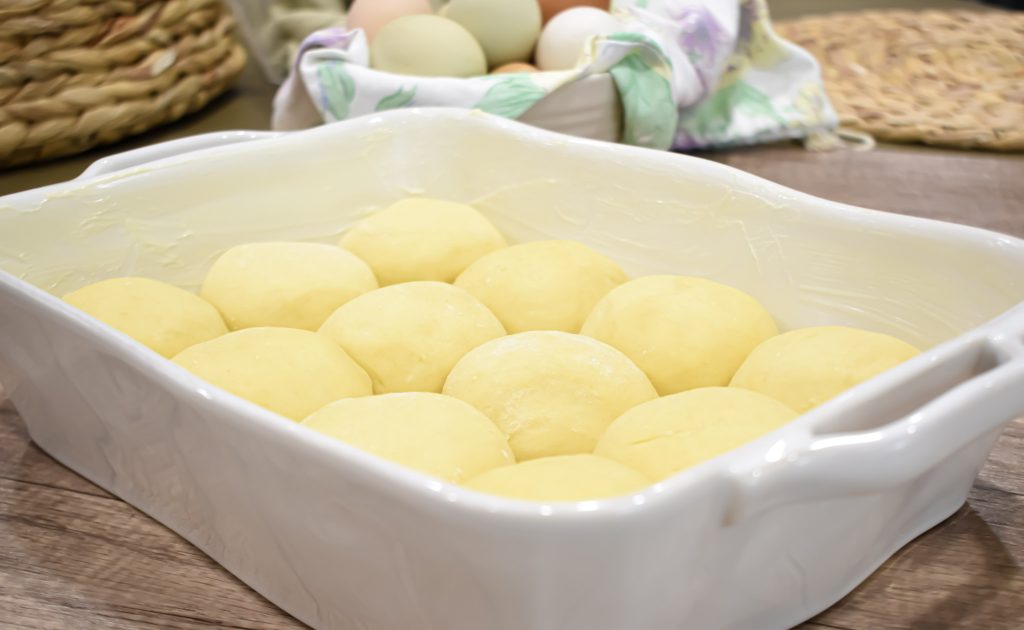
Dinner rolls: These are also great for individual servings. Divide the dough into equal parts, roll the dough into balls, and put them in a baking dish.
Tips for Perfect Shape
Consistency is Key: Keep the pieces as evenly as possible when dividing the dough for buns or brioche rolls. This ensures they bake evenly. I use a scale to weigh the dough and divide it by the amount of dough I want per bun, dinner roll, etc.
Smooth Surface: When shaping, aim for a smooth surface. Tuck any loose ends underneath. Smooth dough means a smooth, pretty brioche after baking.
Let it Relax: If the dough springs back when you’re shaping it, let it rest for a few minutes. Dough can get tense, just like us. Giving it a short break allows the gluten to relax, making it easier to work with.
No Rush on the Second Rise: After shaping, give your brioche time to puff up again before baking. They should look noticeably fuller and softer. This second rise is crucial for that light, airy texture. You want the dough to almost double in size.
Temperature Matters: Keep your hands cool while handling the dough to prevent the butter from melting. Remember, this is a sticky dough. A quick rinse under cold water can help your hands cool down if things get too sticky. You can also lightly dust your working surface with flour. Keep in mind the temperature of your kitchen. Try to work quickly if it is too warm.
Baking Time!
Oven Temperature and Baking Time
Preheat the oven: Aim for around 425°F (218°C). It’s the sweet spot for brioche, giving you that golden crust without burning the outside before the inside is done.
Egg wash: Mix one egg with milk or water and brush the brioche bread with the egg wash using a pastry brush. The milk will also add color to the crust.
Baking time: Depends on what you’re making. You’re looking at about 25 to 30 minutes for a standard loaf. Smaller buns or dinner rolls? Check them around the 20-minute mark.
Signs of Doneness
Golden brown: That classic brioche look. The top should be a nice, rich golden color. It is not just light tan but not dark brown, either.
The tap test: Gently tap the bottom of your milk brioche. It should sound hollow. If it does, you’re good to go.
Internal temp check: A digital thermometer is your friend for the tech-savvy bakers. Aim for an internal temp of about 190°F (88°C). That means it’s cooked through but still moist. I often bake it until it reads 200°F (93°C), and it turns out fabulous! This is my favorite way to check for doneness.
Spring back: Press it lightly on the top. If it springs back, it’s done. If the indent stays, it might need a few more minutes.
Remember, ovens can be finicky. What works for me might need tweaking for you. Keep an eye on your brioche the first time you bake it to get a feel for how your oven behaves.
Texture and Flavor Profile with Sourdough
Using sourdough in your milk brioche introduces more complexity and depth in flavor and texture.
Sourdough milk brioche still has that tender, soft crumb brioche is famous for, but with a bit of a twist. The sourdough fermentation makes the texture slightly chewier and more substantial. It’s still incredibly satisfying but feels more hearty in your mouth.
Now, for the flavor, that’s where the sourdough shines. Instead of just sweet and buttery, you’ve got layers happening. A subtle tanginess cuts through the richness, adding a whole new dimension. It’s not in-your-face sour but a gentle, intriguing complexity that makes you want to come back for another bite to figure it out. The sourdough also brings a slight fermented note, which, combined with the butter and eggs, makes for a richer, deeper taste profile. Beware, it is dangerously good!
Storage and Freshness Tips
Storing Brioche
Cool it down: Let your brioche bread cool completely before storing it. Warmth + container = soggy bread (yuck!).
Airtight is right: Wrap it up tight or use an airtight container. It keeps the air out and the moisture in.
Room temp for short term: Keeping it on the counter is fine for a few days. It’ll stay soft and fresh.
Freeze for later: If you’ve got more brioche than you can handle, slice it, wrap it, and freeze it. It’s good for a couple of months. Just grab a slice whenever you want.
Reviving Day-Old Brioche
Oven: A few minutes in a warm oven (around 300°F) can bring it back to life. The outside becomes crispy, and the inside soft again.
Toast it: Slightly stale brioche makes amazing toast. The edges get super crispy, but the inside stays soft.
Storing brioche right means you can enjoy it for longer, and even when it starts to feel a bit past its prime, you’ve still got options to make it delicious again.
What to do with brioche bread?
Sweet Applications of Milk Brioche
French Toast: Soak slices in egg and milk and fry them up. The brioche soaks up all the custard, giving you a custardy inside with a crispy outside. Top with syrup or fruit, and it’s breakfast heaven.
Bread Pudding: Cube the bread, mix it with a sweet custard, and bake until golden. Brioche makes the pudding extra rich. Add chocolate chips or berries to level it up.
Desserts and Pastries: Brioche dough works great for rolls, buns, or even as a tart base. Its buttery flavor elevates simple sweets into something special—stuff with pastry cream, fruits, or hazelnut spread.
Savory Uses for Milk Brioche
Sandwiches and Burgers: Swap out regular bread or buns for brioche. Its slight sweetness contrasts nicely with savory fillings, making your burgers or sandwiches super fancy.
Canapés and Appetizers: Cut brioche into small pieces or use it as a base for fancy little bites. Top with smoked salmon, cream cheese, or even fig jam and cheese. It’s a simple way to make appetizers feel a bit more upscale.
Common Mistakes and Troubleshooting
Dough Not Rising Much:
Why: Sourdough starter might not be active enough.
Fix: Feed your starter more regularly before using it. Ensure it’s bubbly and doubles in size between feeds.
Dense or Heavy Bread:
Why: Could be underproofed, or not enough gluten development.
Fix: Extend the bulk fermentation time, allowing the dough more time to rise, especially in cooler temps. Also, ensure you’re giving kneading enough before starting the first rise.
Too Sour:
Why: Overfermented.
Fix: Shorten the final proof time or ferment at a cooler temperature to slow down the activity. This is one of the reasons why fermenting for 12 hours in the fridge is important.
Crust Too Hard or Thick:
Why: Overbaked or too hot an oven.
Fix: Lower the baking temperature and keep an eye on the bake.
Adjusting Sourdough Recipes for Different Climates
Humid Climates:
Adjustment: Your dough might feel stickier. Try to work in a cooler part of your kitchen and maybe a touch more flour, but don’t go overboard. The ambient moisture can benefit the sourdough by preventing it from drying out.
Dry Climates:
Adjustment: Cover your dough with a damp cloth during bulk fermentation to prevent it from drying out. You might find adding a little more water to your initial mix helps.
High Altitude:
Adjustment: High altitude can affect fermentation rates. You might notice your sourdough rises more quickly. Try reducing the starter percentage slightly and keep an eye on the dough, not the clock, to judge readiness for baking.
With sourdough, each batch can be a learning experience. At least it has been for me! Watch the dough, and adjust based on what it’s telling you. Keep at it; you’ll get a feel for how your starter behaves in your specific baking environment.
Hot weather? Here is a good article on how to bake sourdough bread during the summertime.
Milk Brioche Bread
Equipment
- Stand mixer
- Mixing bowls
- Scale
- Baking sheet or pan
- Dough scraper
- Parchment paper (optional)
- Pastry brush
- Kitchen thermometer (optional but very convenient)
Ingredients
- 125 g milk 1/2 cup
- 200 g sourdough starter 1 cup, active and bubbly
- 256 g Eggs 5 eggs
- 72 g granulated sugar 1/4 cup plus 1 tablespoon
- 226 g unsalted butter 1 cup
- 12 g salt 1 3/4 tsp
- 510 g bread flour 4 1/4 cups
Instructions
To make the dough:
- Mix the milk and sourdough starter in the bowl of a stand mixer using the dough hook attachment.125 g milk, 200 g sourdough starter
- Add the eggs256 g Eggs
- Once combined, add softened butter, sugar, and salt. Continue mixing at low speed.72 g granulated sugar, 226 g unsalted butter, 12 g salt
- Add the bread flour to your mixture with the mixer still on low speed. Keep kneading at a low speed for about 2 minutes or until your dough starts coming together.510 g bread flour
- Change to medium speed and keep kneading for about 10 minutes (dough will be shiny and sticky).
- Using a spatula, gently scoop your dough into a glass or plastic bowl and cover it with plastic wrap.
First rise:
- Let the dough rest in a warm spot for about 6 hours (or until doubled in size).
- Refrigerate for about 3-4 hours (or overnight) so the dough is less sticky and manageable.
Second rise:
- Prepare your baking dish or loaf pan by buttering it generously or lining it with parchment paper.
- Use your dough scraper to divide the dough into equal parts, using a scale for accuracy.
- Shape your dough and place it in your baking pan. Let it rest in a warm place for about 8 more hours or until they are puffy and almost doubled in size.
Bake:
- Preheat the oven to 425°F (218°C).
- Mix one egg with milk or water and brush the dough with the egg wash using a pastry brush.
- Bake for 25 to 30 minutes or until the internal temperature reads 190°F (87°C).
Notes
- You might feel tempted to add more flour, but this will decrease the hydration of your dough and give the brioche bread a dense texture.
- Do not let it overproof! Overproofing your brioche dough will lead to a dense texture and a dough that will deflate during baking.
- Adjust the baking time depending on how you shape your dough.
Frequently Asked Questions: Sourdough Milk Brioche Recipe
Can I use yeast instead of sourdough in brioche?
Yes, you can use yeast. You will need to increase the amount of flour and milk to convert this recipe.
Why is my sourdough brioche not rising properly?
It could be due to an inactive starter, too cool a fermentation environment, or not enough fermentation time. Make sure your starter is lively and active.
How long should I ferment my sourdough brioche dough?
Bulk fermentation usually takes 4-6 hours at room temperature but can vary. The dough should roughly double in size. The cold-proof could last overnight in the fridge for better flavor development.
Is it necessary to refrigerate the dough overnight?
While not strictly necessary, a cold overnight proof develops flavors and improves the dough’s manageability.
Can I freeze sourdough brioche dough?
Yes, you can freeze the dough. Wrap it tightly or place it in an airtight container. Thaw overnight in the fridge before using.
What’s the best way to store sourdough brioche?
Cool completely, then keep it in an airtight container at room temperature for a few days. For longer storage, slice and freeze.
Can sourdough brioche be used for sandwiches?
Absolutely. Its rich, tender texture and slight tanginess make it excellent for both sweet and savory sandwiches.
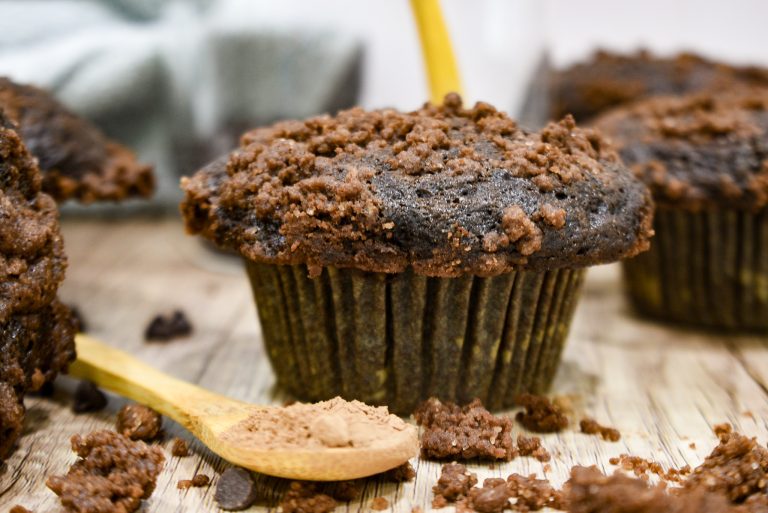
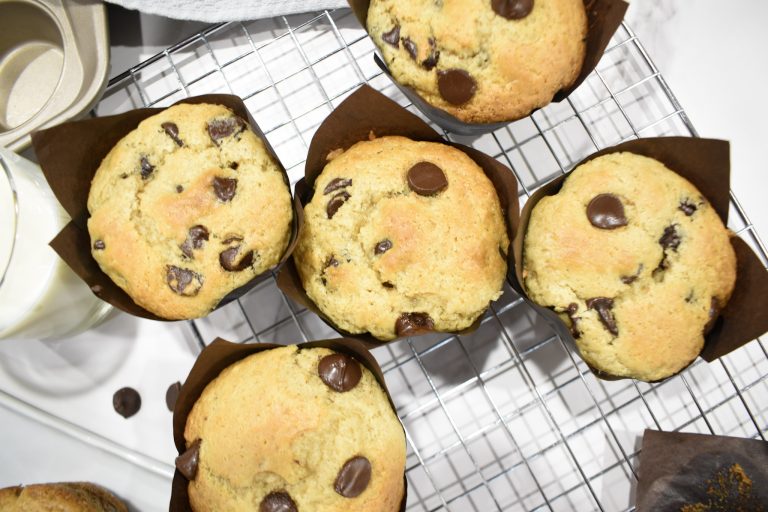



I made your sourdough discard muffins but substituted blueberries for the chocolate chips. They turned out well despite the fact that I forgot to turn the oven down to 375°
Very easy to follow the direction, they were clear and concise, thank you Jess!!