Easy Vanilla Muffin Recipe (9 ingredients)
This delicious vanilla muffin recipe combines simple ingredients and is extremely easy to make. It can be served as comfort food, breakfast, or snack and shared with everyone in the family. To create a unique flavor, these muffins can be customized to your liking with various mix-ins, like chocolate chips, chopped nuts, blueberries, or spices.
I remember when I first started baking muffins years ago. I was having the same problem over and over again with them turning out flat. They looked like the cupcake’s ugly cousin! I was getting soooo frustrated. I couldn’t understand why all these people had gorgeous muffin domes, and I didn’t have the same experience. So, I started looking into every single ingredient and why this was happening. I was so obsessed with making the perfect muffin that my husband ended up getting me an apron that said, “Peach Muffins Rise in My Kitchen.” I love that apron! 🙂
So stay with me because this vanilla muffin recipe might become your favorite master recipe for all your muffins.
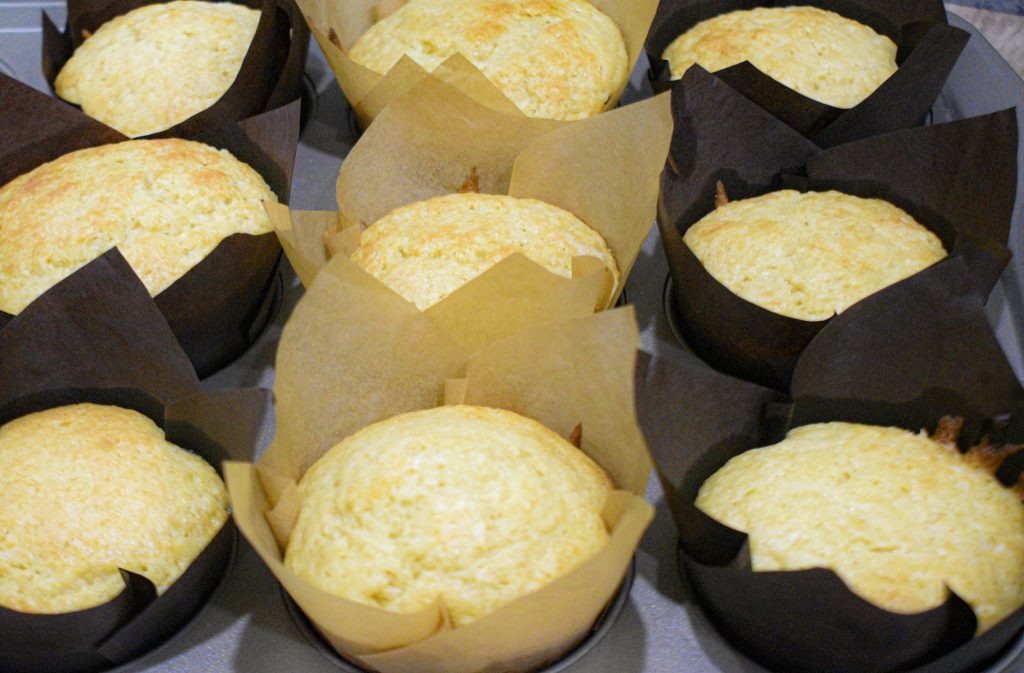
What you need to make this recipe
Creating the perfect vanilla muffins involves a symphony of ingredients, each playing a crucial role in the final product’s texture, flavor, and appearance. This easy muffin recipe requires simple, easy-to-find ingredients that you might already have at home. Nothing fancy here! Here’s a breakdown of common ingredients and their functions:
Tools You’ll Need:
medium bowl
large bowl
Whisk
SIFTER
Scale (recommended)
Measuring cups (if not using a scale)
Measuring spoons
Muffin pan
Muffin liners
Ingredients:
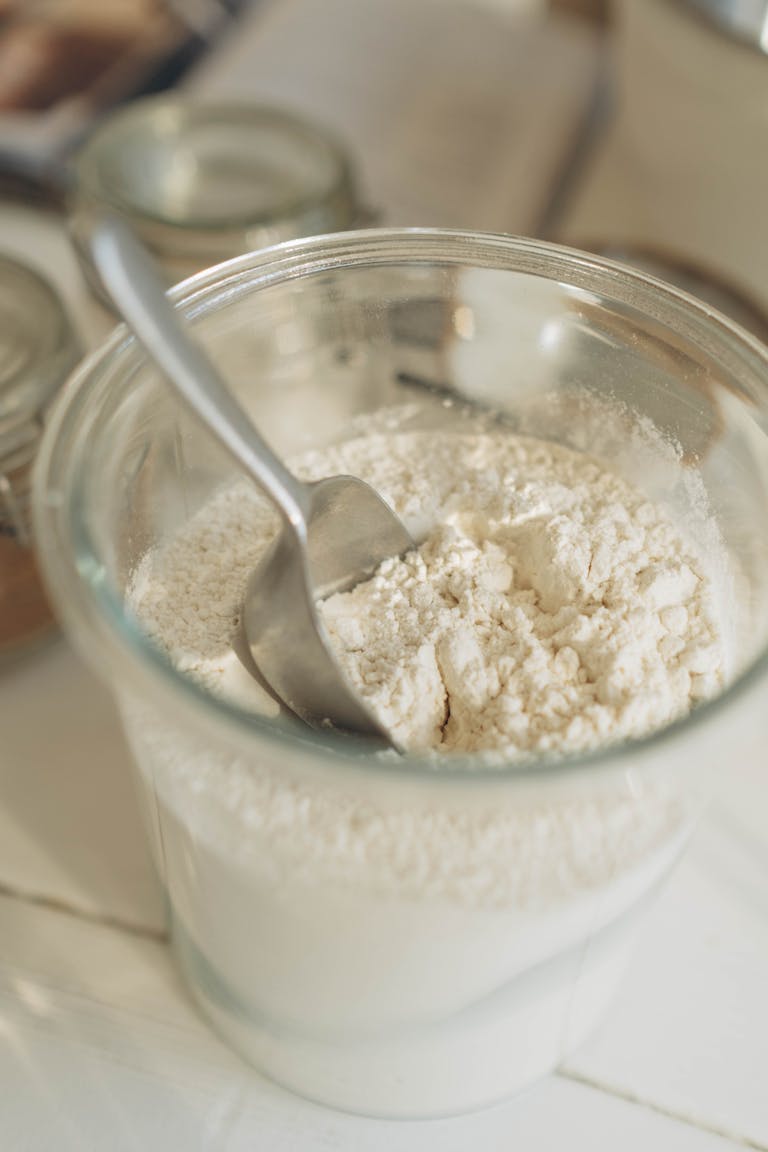
Flour:
– Function: Acts as the primary structure-building ingredient. Gluten formed from flour gives muffins their body and shape.
– Flour Types: All-purpose flour is the most common, but whole wheat, almond, and oat flour are used for different dietary needs and flavors.
Sugar
– Function: Adds sweetness and affects the texture. Sugar helps in browning and creates a tender crumb by absorbing moisture.
– Variations: White sugar, brown sugar, honey, coconut sugar, xylitol (for a sugar-free option), and maple syrup are some alternatives, each imparting unique flavors.
Leavening Agents (Baking Powder/Baking Soda)
– Function: Cause the batter to rise, resulting in light and fluffy muffins.
– Mechanism: Baking powder releases carbon dioxide when moistened and heated, while baking soda reacts with acidic ingredients like yogurt or lemon juice.
Eggs
– Function: Eggs bind the ingredients together, add moisture, and help in leavening. They also contribute to the richness and color of the muffins.
– Substitutes: For dietary restrictions, flaxseed meal or applesauce can be used as alternatives.
Fat (Butter/Oil)
– Function: Adds moisture, flavor, and creates a tender texture. Fats also help in the even distribution of heat during baking.
– Choice: Butter adds flavor, while oils (such as vegetable or coconut oil) make muffins moist. Keep in mind that when using butter, the texture of the muffins will be more dense when they cool than when using oil. I love the flavor that butter adds to baked goods, but I prefer using vegetable oil for muffins because of the texture.
Milk (or other liquids)
– Function: Hydrates the dry ingredients, activating the gluten and leavening agents. It also affects the muffin’s moisture content and texture.
– Alternatives: Buttermilk, heavy cream, or almond milk can be used for different flavors or dietary needs.
Sour Cream
– Function: Add moisture to the muffin recipes, resulting in a tender crumb that stays fresh longer. The acidity in sour cream tenderizes the gluten in the flour, making the muffin crumb softer and more delicate than those made with milk or water alone.
– Alternatives: Plain yogurt is a perfect alternative if you don’t have sour cream handy.
Salt
– Function: Enhances flavors and balances the sweetness of the muffins.
– Tip: A small amount can significantly improve the overall taste profile.
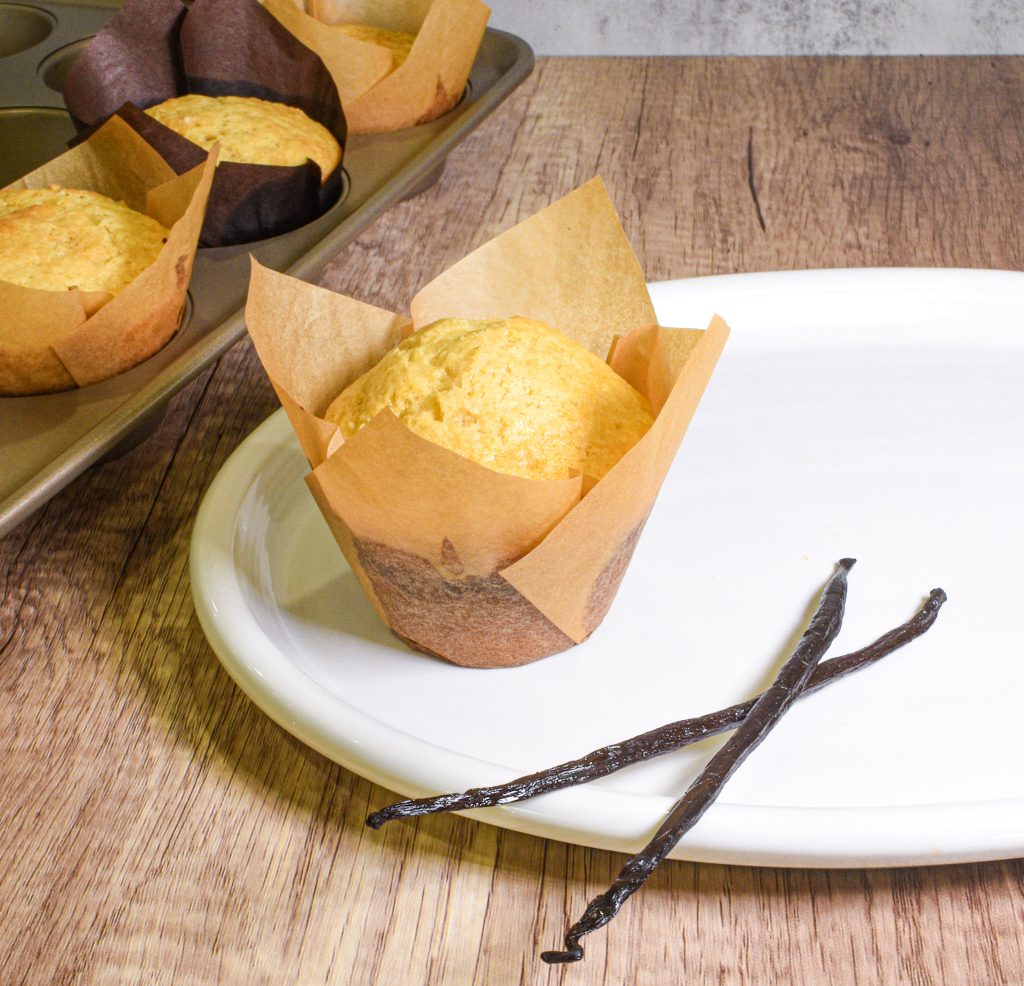
Vanilla Extract
– Function: Impart distinctive flavors that can transform a basic muffin recipe into something special.
– Options: Vanilla extract is a classic, while cinnamon, nutmeg, or citrus zest can add a unique twist.
Pro Tip!
Make sure your ingredients are at room temperature. This will help achieve the proper texture when baking.
Each ingredient can be adjusted or substituted to create countless variations, catering to different tastes, dietary restrictions, and nutritional goals. Experimenting with these components allows for customization and helps in understanding the science of baking and how each element contributes to the final product.
Do you love this recipe? Try these!
Vanilla Muffins
Equipment
- 1 Muffin Pan
- 1 Muffin Liners
- 1 Large Bowl for dry ingredients
- 1 Medium Bowl for dry ingredients
- 1 Sifter
- 1 Scale
- 1 Measuring Cups if not using a scale
- 1 Measuring Spoons if not using a scale
- 1 Whisk or Spatula
Ingredients
- 240 g All Purpose Flour 2 cups
- 175 g granulated sugar 3/4 cup
- 20 g baking powder 1 tbsp
- 4 g salt 3/4 tsp
- 134 g milk 1/2 cup
- 100 g eggs 2 eggs, beaten until foamy
- 100 g sour cream 1/2 cup
- 65 g avocado oil 1/4 cup
- 15 g vanilla extract 1 tbsp
Instructions
- Preheat the oven to 425°F.
- Line a 12 cup muffin tin with paper liners.
- In a large bowl, sift the flour, granulated sugar, baking powder, and salt and give it a good whisk to ensure all ingredients are well combined.240 g All Purpose Flour, 20 g baking powder, 4 g salt, 175 g granulated sugar
- In a medium bowl, add the milk, oil, beaten eggs, sour cream, and vanilla and whisk to combine.134 g milk, 100 g eggs, 100 g sour cream, 65 g avocado oil, 15 g vanilla extract
- Add the wet ingredients mixture to the large bowl with the dry ingredients. Using a spatula or whisk, mix all ingredients together until well incorporated.¹
- Using a quarter cup or an ice cream scoop, fill the muffin pan almost all the way to the top. It should be over 3/4 of the way full.
- Bake for 16 minutes or until golden brown on top.²
- Carefully remove the vanilla muffins from the pan and transfer them to a wire rack to let them cool.
- Serve warm or at room temperature.
Notes
Frequently Asked Questions
1. Can I use vanilla extract substitutes in muffin recipes?
Yes, you can use substitutes like vanilla bean paste or vanilla powder. For every teaspoon of vanilla extract, use one teaspoon of vanilla bean paste or half a teaspoon of vanilla powder. These substitutes offer a richer, more intense vanilla flavor. Go vanilla crazy!
2. How can I make my vanilla muffins more moist?
Consider adding sour cream or yogurt to the batter to ensure your vanilla muffins are moist. Both ingredients add moisture and fat, which can help produce tender, moist muffins. You can also use oil instead of butter. Additionally, be careful not to overbake the muffins, as this can dry them out.
3. Why did my vanilla muffins come out dense?
Dense muffins can result from overmixing the batter, which develops the gluten in the flour too much. To avoid this, mix the wet and dry ingredients until just combined. Also, ensure your baking powder or soda hasn’t expired, as ineffective leaveners can lead to dense muffins. I mix my muffin batter by hand. I found that using a mixer usually results in overmixing. So, use the best tool you have—your hands and a whisk!
4. Can I make vanilla muffins without eggs?
Yes, you can make egg-free vanilla muffins by using substitutes like applesauce, mashed bananas, or commercial egg replacers. Generally, a quarter cup of applesauce or mashed banana can replace one egg. These substitutes also add moisture to the muffins.
5. How can I add a twist to traditional vanilla muffins?
Consider adding mix-ins like fresh berries, chocolate chips, nuts, or citrus zest to the batter. Alternatively, incorporating spices such as cinnamon or nutmeg can add depth to the flavor. Topping the muffins with a streusel topping or a simple glaze can also enhance their appeal.
6. What’s the best way to store vanilla muffins to keep them fresh?
Cool the muffins completely before storing them in an airtight container at room temperature for up to three days. For longer storage, wrap them individually in plastic wrap and freeze. Reheat in the oven for a just-baked taste.
7. Can I make vanilla muffins vegan?
Yes, to make vegan vanilla muffins, replace the dairy ingredients with plant-based alternatives like almond or soy milk and use a vegan butter substitute or oil. Egg replacements can include flaxseed meal mixed with water, applesauce, or a commercial vegan egg replacer.
8. How do I ensure my muffins have a high rise?
Fill the muffin cups almost to the top with batter to achieve a high rise. Also, use fresh baking powder or soda. Consider starting the baking process at a higher temperature for the first few minutes, then reducing it to encourage a quick rise and set the structure before baking through.
9. Is it possible to reduce sugar in the vanilla muffin recipe?
Yes, you can reduce the sugar, but keep in mind that sugar not only sweetens the muffins but also contributes to their moisture and texture. Substitute part of the sugar with natural sweeteners like applesauce or mashed bananas, which can also add moisture. If you are looking for a sugar-free version, use xylitol (naturally found in small amounts in various fruits and vegetables and can also be manufactured from plant fibers like birch wood and corn cobs).
10. Why are my muffins peaking or becoming too pointy on top?
Peaking can occur when the oven temperature is too high, causing the outside of the muffins to set before the middle has fully risen. Ensure your oven is calibrated to the correct temperature and consider lowering it slightly if you continue to encounter this issue.